A different focus on the forest behind where I live – the big things.
It can be hard to capture an area you are so familiar with and walk in almost every day, especially a forest. You have to challenge yourself to look at it differently, not take anything for granted that you’ve passed before probably thousands of times.
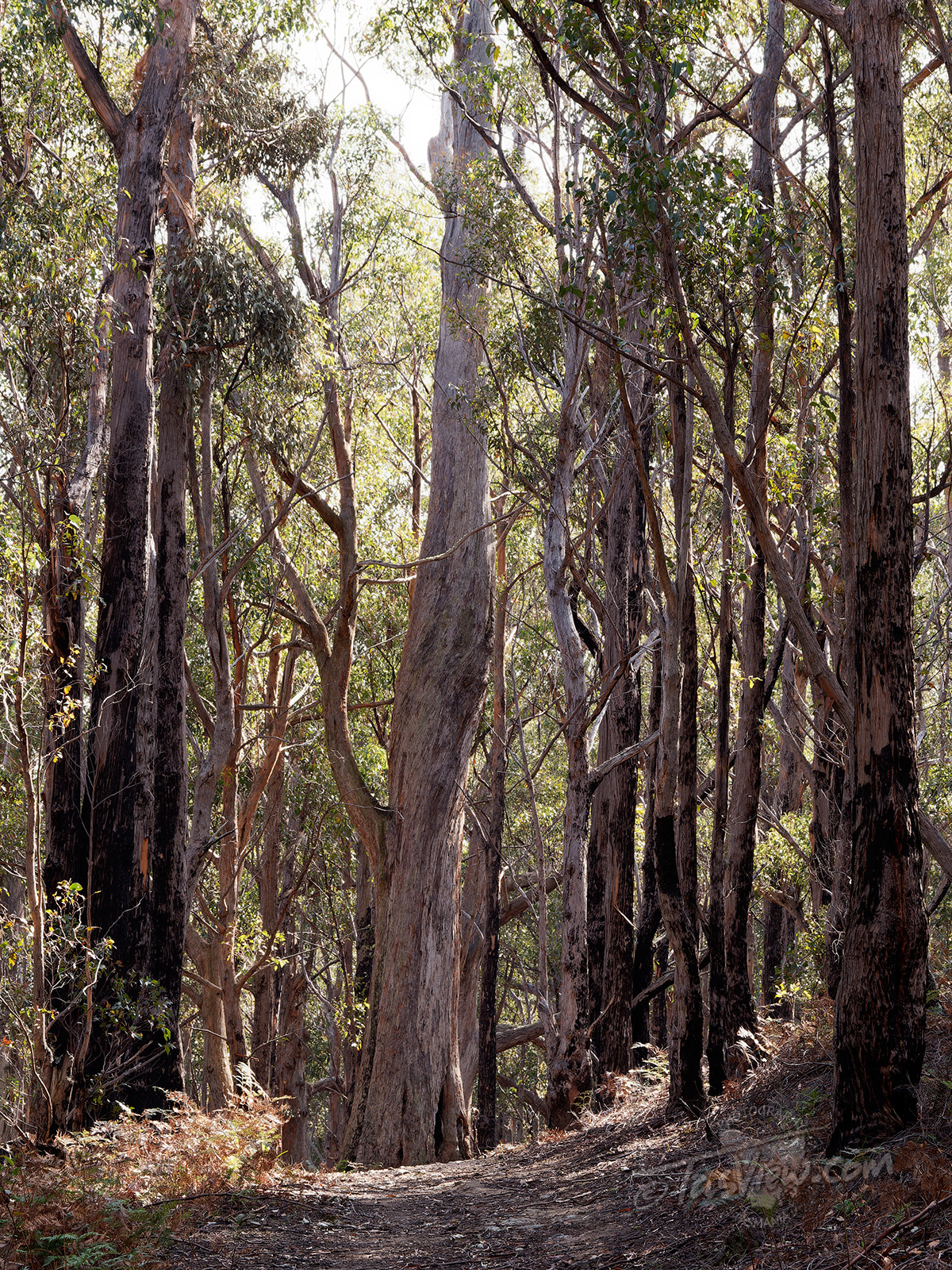
To add to the challenge, I used one prime lens. The only lens I took with me Orchid hunting, M.ZUIKO DIGITAL ED 60mm F2.8 Macro. I’d have to use my feet to frame, these images are uncropped.
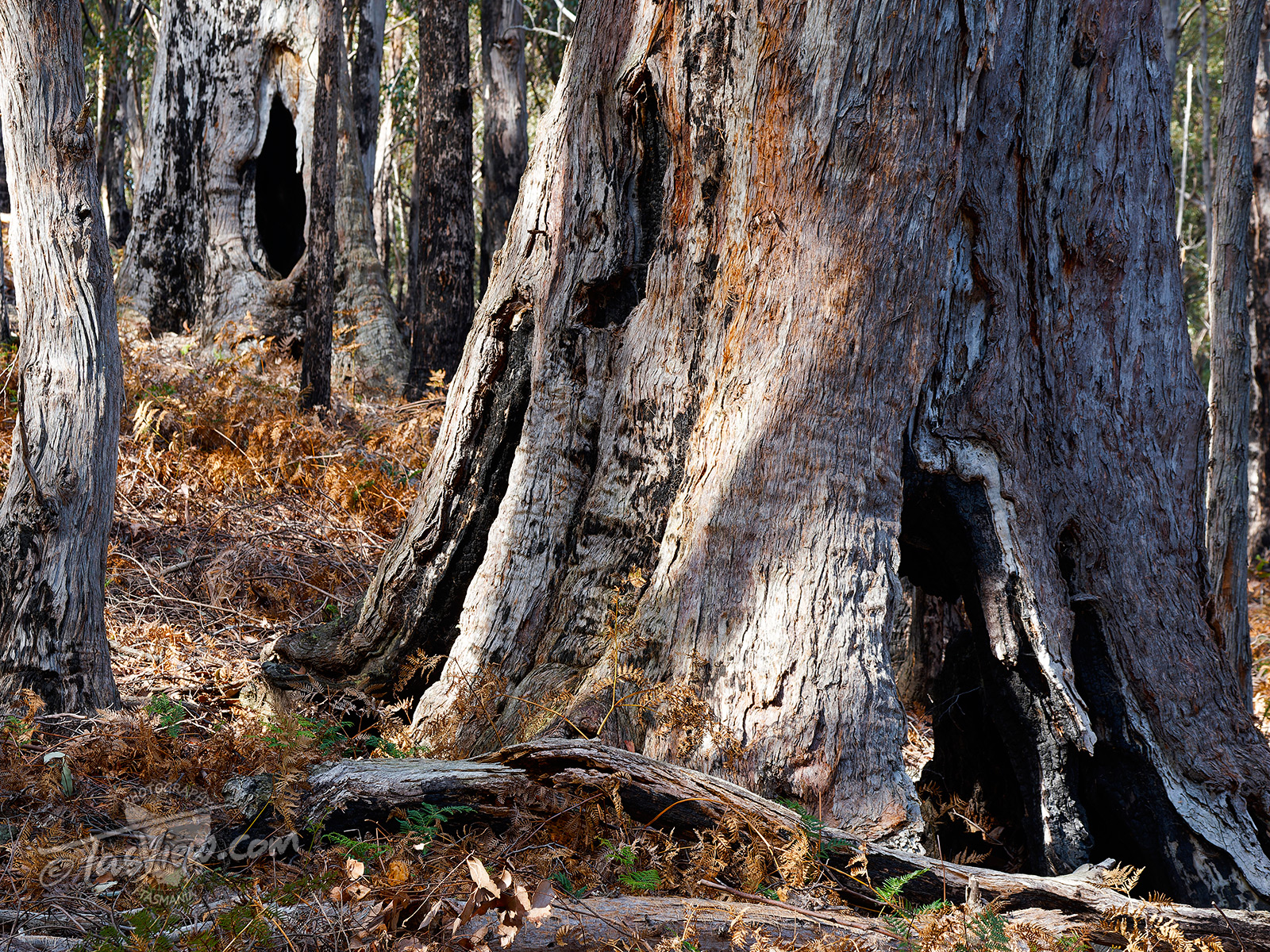

My original intention while taking these photos was to edit them all in black and white, but while editing, I felt the colour deserved to be part of the story. It tells that there is not much life on the forest floor, on this north facing exposed slope under the rock that is kunanyi – Mt Wellington.
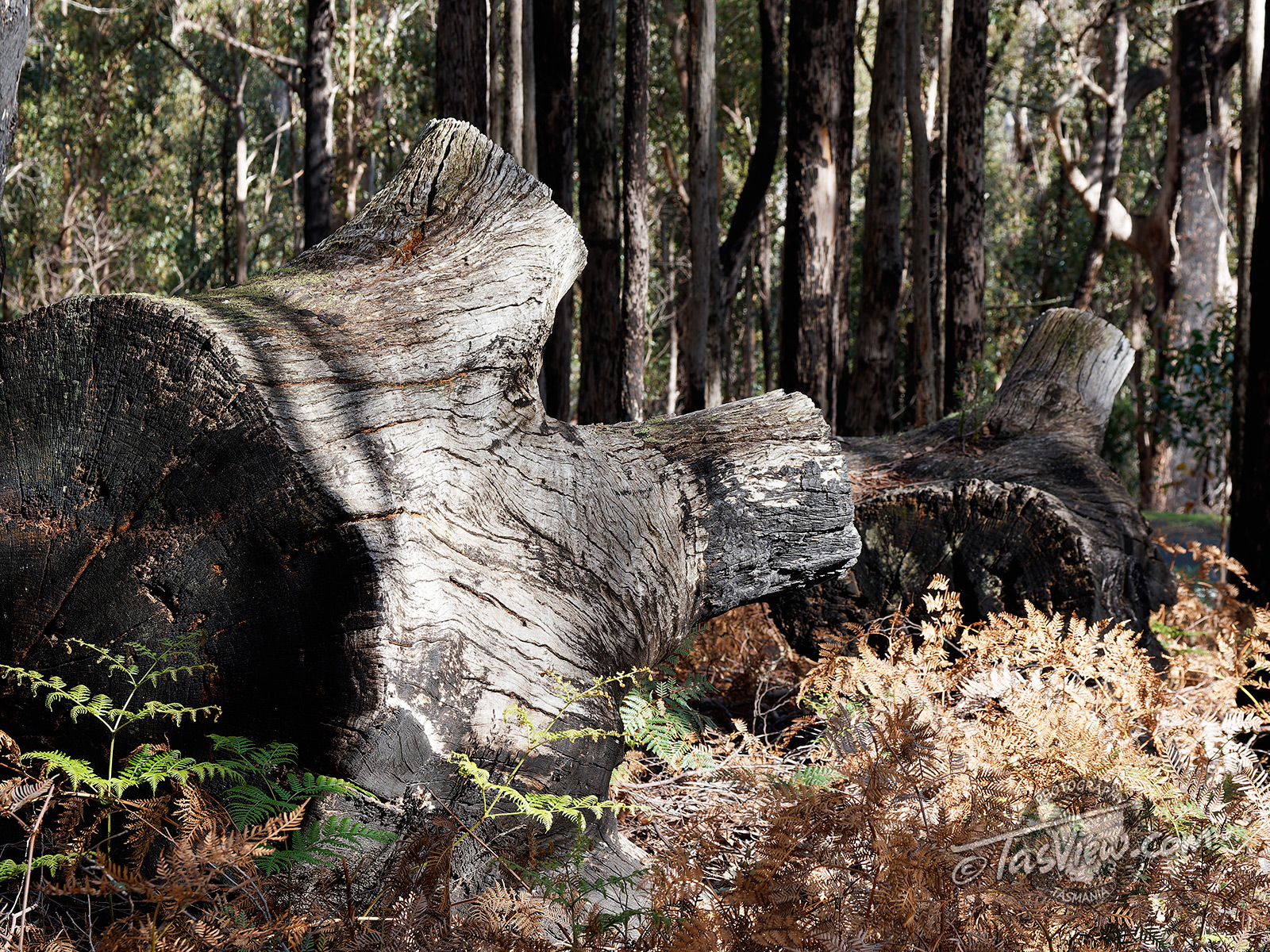
Though I don’t know for sure what happened, it appears this forest not far from Hobart and easily accessible, has a recent history of being treated badly. Sometime in the last 200 years, almost all of the larger trees were taken, leaving a largely unprotected understory, which has since met many challenges.
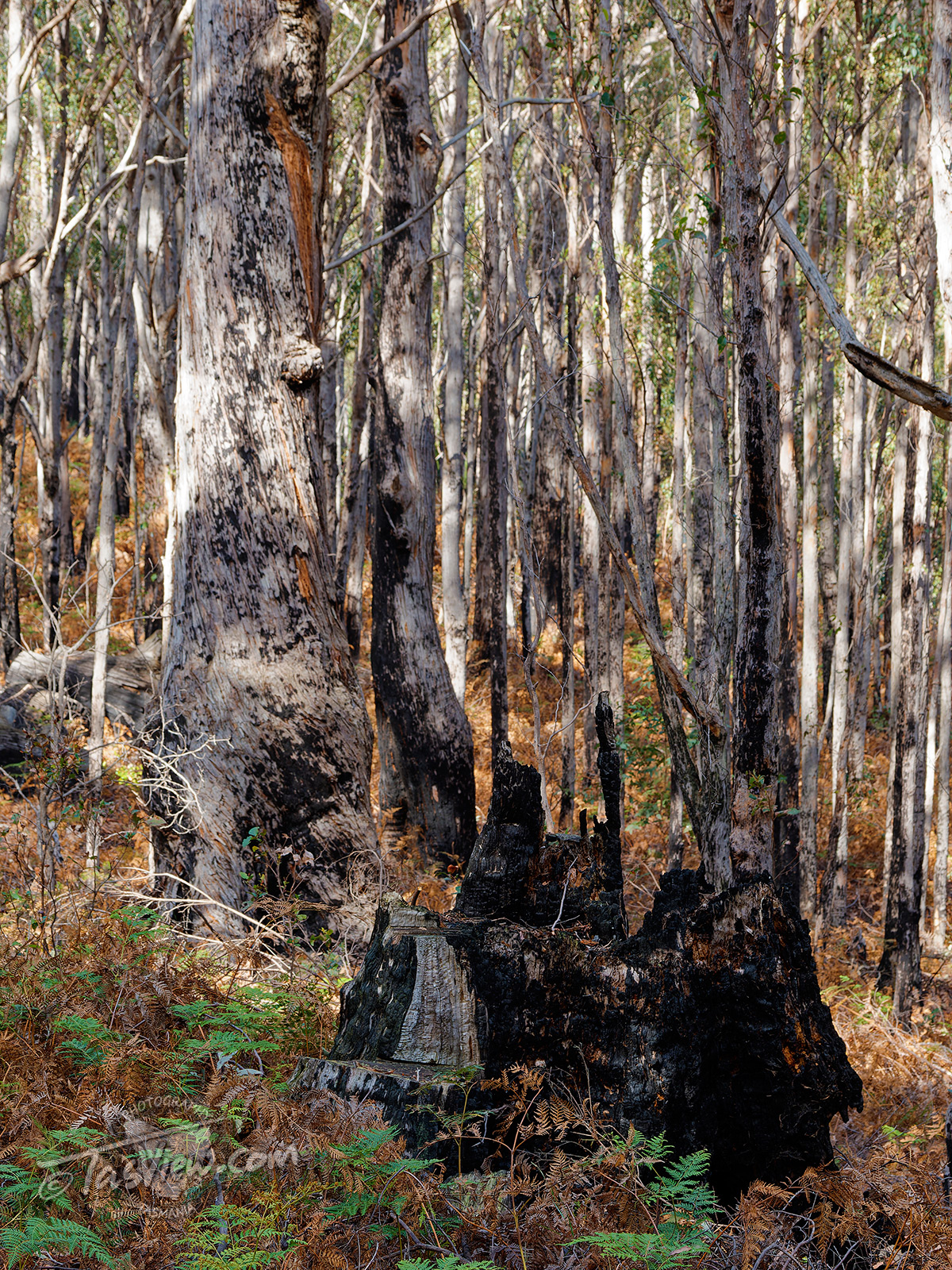
Most of the remaining large old trees are not in a good way. Ravaged by hot fires, including 1967 and more recent back-burning, their bases have been gutted.
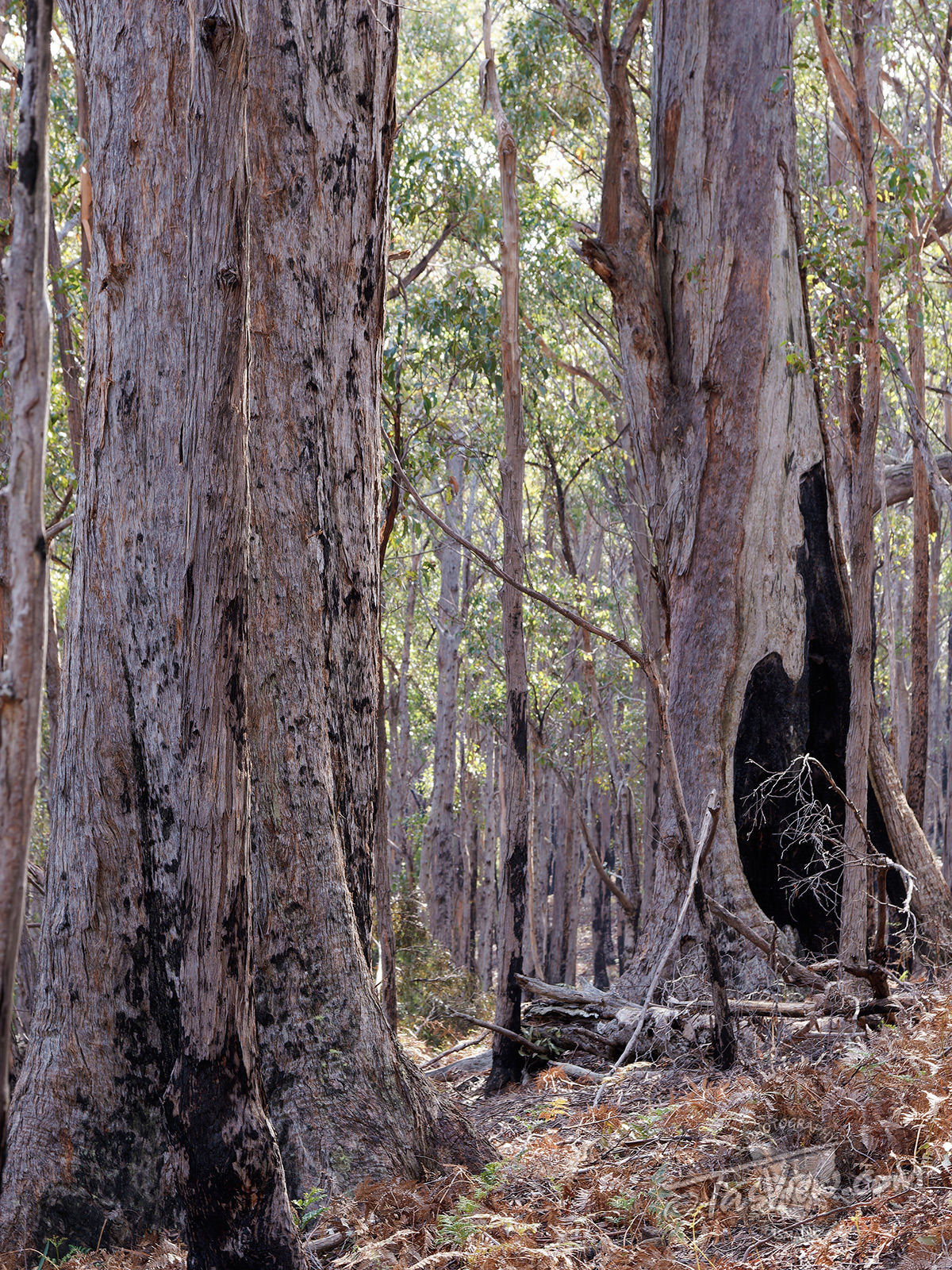
Yet, there’s still the odd survivor amongst all the turmoil. Nature can be very resilient.
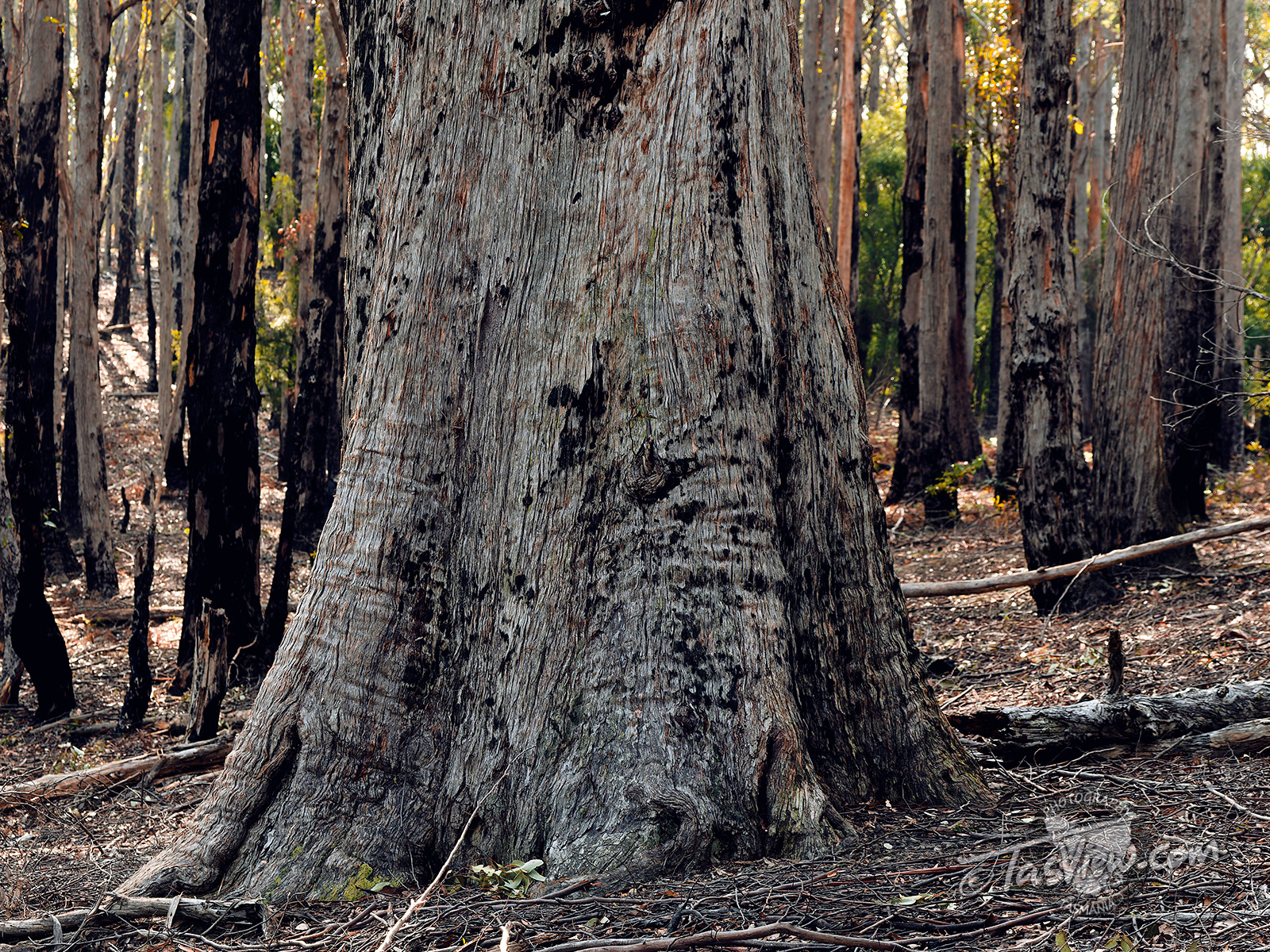
The first notable things to appear after the last burn-off here were fungi, then ferns, orchids and some grass. Most orchids seem to like disturbance – soil, fire, edges. I seem to find them in the most unexpected, challenging places and right beside tracks, despite spending time regularly wandering with intent off tracks.
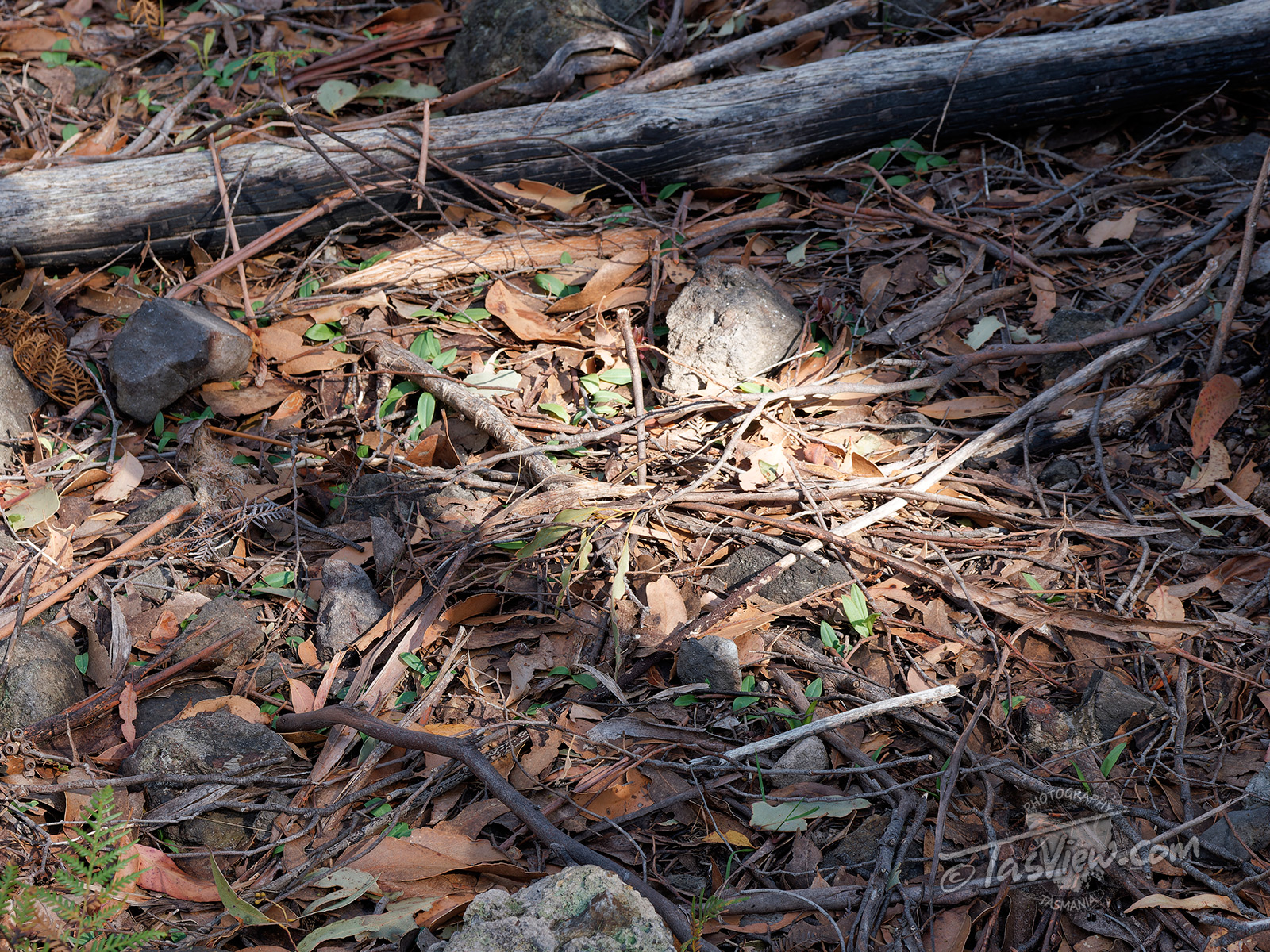
This is a patch of Tall Bird Orchid, they are very common here, but I’ve also found another budding Bearded Orchid … 😀
Thanks for visiting my forest 😀

 TasView
Wow, it’s so sad that these big beautiful trees have been destroyed by humans and fires, Tone! I would love to have seen them in their full glory.
LikeLiked by 2 people
Me too John, the imagination runs wild walking up here, thinking what it must have been like with a massive canopy over the top of what now remains. There are many crater like features in the ground that were likely from very large trees falling over and lifting their roots. Thanks for visiting 😀
LikeLiked by 1 person
I have seen those in the woods in Michigan. The root ball is flipped vertically!
LikeLike
Increadible how these trees still try to survive after all what happend.
For the orchids however, it’s a paradise.
LikeLiked by 1 person
It’s interesting to watch things slowly coming back after such a disturbance, some of the north (sun) facing areas are recovering very slowly as there’s not much nutrient or moisture held in the exposed ground. We had a relatively dry winter but we’ve had some good soaking drizzle the last two days so things may start to bloom again next week if it warms up again. More orchids perhaps!! Thanks for visiting 😀
LikeLiked by 1 person
Fantastic shots of a wonderful forest! Great!
LikeLiked by 1 person
Thanks for visiting, I’ve lived here for almost 30 years, this is an area just over my back fence with diverse micro-climates. It’s been interesting watching it change and I always notice new things when I slow down and don’t rush 😀
LikeLiked by 1 person
Then you´re a lucky man! 😉
LikeLike
What kind of trees are these?
LikeLiked by 1 person
Eucalyptus – or Gum trees. There’s 29 varieties (plus hybrids) in Tasmania and I’m no expert, but these are likely Blue Gum – Eucalyptus globulus which is Tasmania’s floral emblem. The blue gum reaches up to 60 metres, with sleek white bark on the upper trunk and limbs of the trees and a skirt of rough bark at the base of the trunk.
Just along the same hill is an entirely different kind of Eucalypt forest as the soil changes!
LikeLiked by 1 person
They are amazing trees. Thanks for that info, Tone.
LikeLike
These poor trees! 😦 Humans seem intent on destroying their home.
At least a few are still surviving and some other plants are sprouting.
LikeLiked by 1 person
We certainly provide plenty of challenges for plants and nature! I think they way we’re going though, they will still manage to out-see us.
LikeLiked by 1 person
Always awe-inspiring to see such trees that have lived so long.
LikeLiked by 1 person
It’s hard to say exactly, but some of these larger trees may be 300-350 years old. They were probably only spared the saw blade because the wood is twisted and not suitable for building. Their imperfections saved them 😀
LikeLiked by 1 person
Imperfections can be a good thing then!
LikeLike
What a wonderful place to walk through and photograph. I’m always impressed at how new vegetation springs up in a forest no matter how poorly the trees have fared.
LikeLike